Friday, January 16, 2015

Hundertwasser Architecture

Fifth and sixth grade artists are using cardboard to construct buildings in the style of Austrian artist and architect Friedensreich Hundertwasser (1928-2000).  Click here to see our previous work inspired by Hundertwasser and more examples of his work.

Friedensreich Hundertwasser (1928–2000) was an Austrian painter, architect, and sculptor best known for his architecture characterized by colorful, ornamental, and biomorphic shapes. He initially gained acclaim for his paintings, but later became more renowned for his unique architectural styling.  In the 1950s, Hundertwasser began designing architectural projects. These designs use irregular forms, and incorporate natural features of the landscape. The Hundertwasserhaus apartment block in Vienna is one famous example. This building has undulating floors, a roof covered with earth and grass, and large trees growing from inside the rooms, with limbs extending from windows. He took no payment for the design of Hundertwasserhaus, declaring that the investment was worth it to "prevent something ugly from going up in its place". 
Hundertwasser was against monotonous architecture, and called for a boycott of architecture with straight lines, and demanded instead creative freedom of building, and the right to create individual structures. 
Read more at AmusingPlanet.com
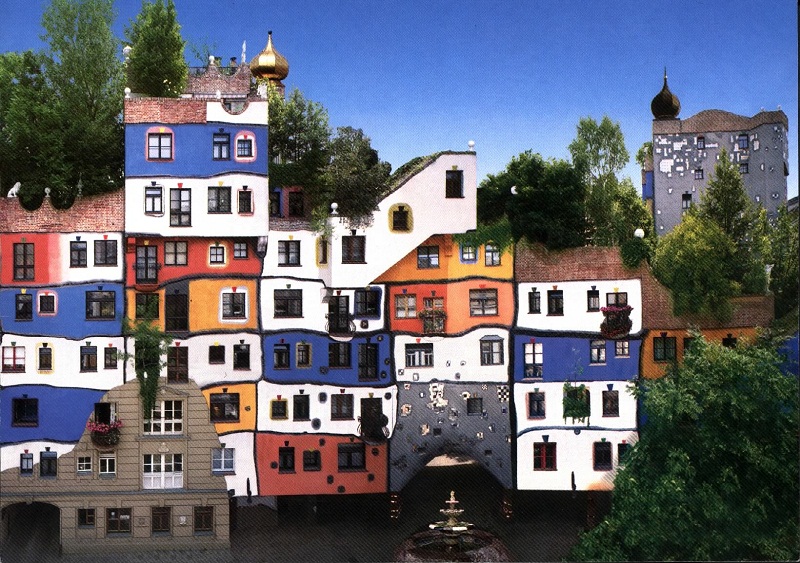
Hundertwasserhaus in Vienna, Austria 


Fifth and sixth graders are using cardboard to make their architectural creations.  We watched this video that describes unique ways that cardboard is used for construction. 


Here are our in-progress structures: 


Happy New Year!


Vivian Wood McDonough was born on December 12, 2014! 

I have returned to work at Waitsfield and will be here until February break.  Then Alex Morse will return to take my place until the end of the school year while I return to Fayston School.  

Tuesday, December 9, 2014

Owls, Peacocks, Patterns!

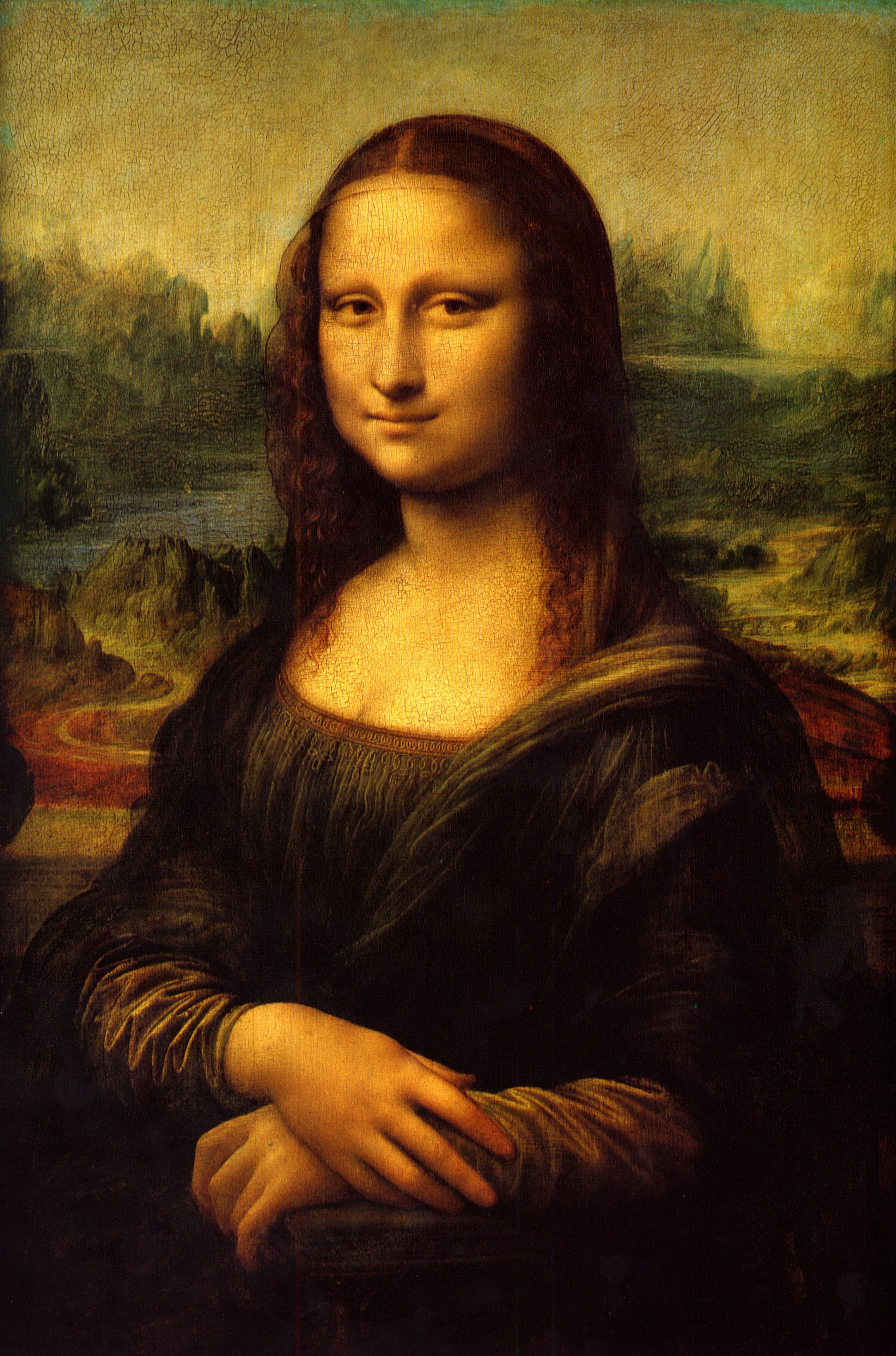
Mona Lisa Parodies

Fifth and sixth grade artists created original parodies of the World's Most Famous Painting, the Mona Lisa.  What similarities can you see between the original and these parodies?

What do you know about the Mona Lisa?  Click here to read "50 Fantastic Facts about the Mona Lisa!"


Friday, December 5, 2014

Matisse Paper Cut Out Shapes

"It is not enough to place colors, however beautiful, one beside the other; colors must also react on one another. " - Matisse 


First and second grade artists made "shape collections" inspired by Matisse's paper cut outs. 


About Henri Matisse 

Henri Matisse grew up in the northern part of France. His father was a grain merchant and strict with Henri. He went to school in Paris and studied law. In 1888 he passed the bar and took a job as a law clerk. 

Becoming a Painter 

In 1889 Henri came down with appendicitis. During his recovery his mother got him some art supplies for something to do. He fell in love with painting and art. He decided he wanted to become an artist. His father was very disappointed. 

Henri began to explore painting. His mother encouraged him not to follow the normal rules of art, but to try out new things and to paint his emotions. 
In 1897, Matisse was introduced to impressionism and to the work of van Gogh. It opened up a new world to Matisse. 

Early Works 

Matisse painted his first masterpiece in 1897. It was called The Dinner Table. He continued to paint being influenced by artists such as van Gogh and Cezanne. He studied the works of J.M.W. Turner as well and even took on some of the style of Pointillism from Seurat. 

Fauvism 

In the early 1900s Matisse developed a new style. He began to paint with bright masses of colors that were freely applied. He used the colors to express emotion often using colors that had nothing to do with the natural colors of the subject. One critic called them "fauves", which meant "wild beasts". The name stuck and their style of art was called Fauvism. 

Cutouts 

In his later years, Matisse began to experiment with cutouts. He would cut out colored paper and make collages. He released a book of these cutouts called Jazz that was very popular. Some of his cutouts have become famous pieces of artwork including The Blue NudeThe Knife Thrower, and Icarus

Legacy 

Matisse is considered one of the founders of Fauvism art. He is also considered one of the leading figures of modern art as his paintings and art influenced many artists throughout the 20th century. 

Interesting Facts about Matisse: 
  • He was good friends with artist Pablo Picasso. They later became rivals.
  • Major patrons of Matisse included Americans Gertrude Stein and the Cone Sisters. They purchased a number of his paintings. He also introduced them to Picasso, whose paintings they also purchased.
  • He ran a small art school called Academie Matisse in Paris between 1908 and 1911.
  • Some of his paintings have sold for over $20 million.
  • Movie star Al Pacino is set to play the role of Henri Matisse in a movie called Masterpiece.

Children looking at Matisse's work at the Tate Museum 

Footage of Matisse Making his Paper Cut Outs 

Tuesday, December 2, 2014

Roy Lichtenstein and Onomatopoiea

Pop Art!
In the 1950s and 1960s, young British and American
artists made popular culture their subject matter. 
By incorporating logos, brand names, television and
cartoon characters, and other consumer products 
into their work, these artists tested the boundaries
between art and everyday life. 
Roy Lichtenstein was one of the originators of this 
new pop movement. Fascinated by printed mass 
media—particularly newspaper advertising and 
cartoon or comic book illustration—Lichtenstein
developed a style characterized by bold lines, bright
colors, dot patterns, and sometimes words.

The art of today is all
around us. 
Roy Lichtenstein


"America's Worst Artist Ever??"


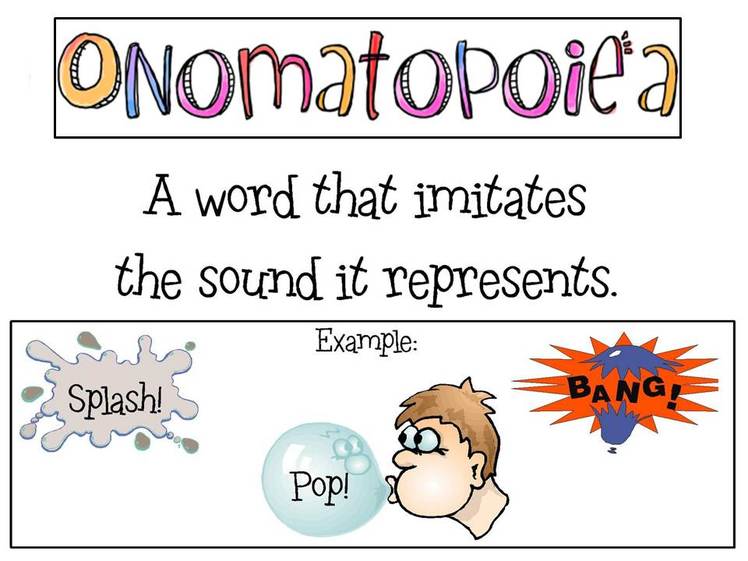
What is ONOMATOPOIEA?


"Splat, Giggle, Moo"


click here to learn more about Roy Lichtenstein from the National Gallery of Art