Thursday, January 21, 2016

Trees inspired by Rebecca Rebouche and Gustav Klimt

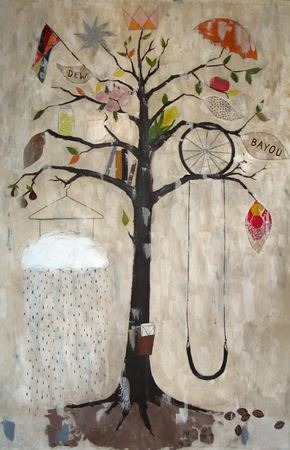
When I discovered the contemporary artist Rebecca Rebouche, I knew I would have to teach a lesson based on her work.  Her "Tree Series" paintings drew me in because of the balance of simplicity and detail and the obvious playfulness she enjoys in the process.
My art students love drawing trees and some even believe that they know How To Draw a Tree, as if there is just one right way to do it.  Here is where I introduce another favorite artist, Gustav Klimt, with his painting "Tree of Life."  In looking at this intricate, swirly, gold-tinted tree, we see that the possibilities are endless. 

Although Rebecca Rebouche and Gustav Klimt lived 100 years apart, when we compare their work we can see some similarities. 

Third and fourth graders looked at Rebouche's "Tree Series" paintings and Klimt's "Tree of Life" painting.  In addition to the symbolic meaning of the trees themselves, both artists included other objects in the branches of their trees to represent things that are important to them. Click here to learn more about the symbols in Klimt's "Tree of Life."

We often start the year by drawing or painting self-portrait.  This year we breezed through this with our Monochromatic Self Portraits.  In planning the self-portrait process, I wanted students to focus on what truly makes them special and unique.  Rather than trying to, once again, help students show this in a traditional head and shoulders self-portrait, I decided to take a more abstract approach.  These tree drawings by grades three and four are a type of self portrait. 

Can you guess the students who created them based on what they chose to include in the branches?

Watch these beautiful videos to see Rebecca Rebouche at work and see how she draws inspiration from the natural world.


Tuesday, January 12, 2016

Rex Ray Collage


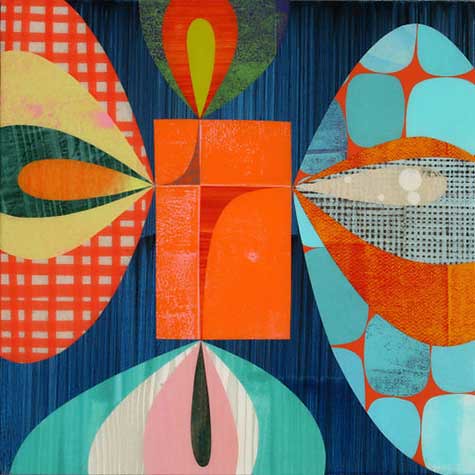
Rex Ray is a contemporary collage artist from San Francisco.  He started working as a graphic designer, but expanded to collage when he felt he needed to infuse more creativity and freedom into his work.  

There are many connections between Rex Ray's work and Henri Matisse's Collages.  What similarities and differences do you notice between their work? Click here to see more artwork we've done that was inspired by Matisse!

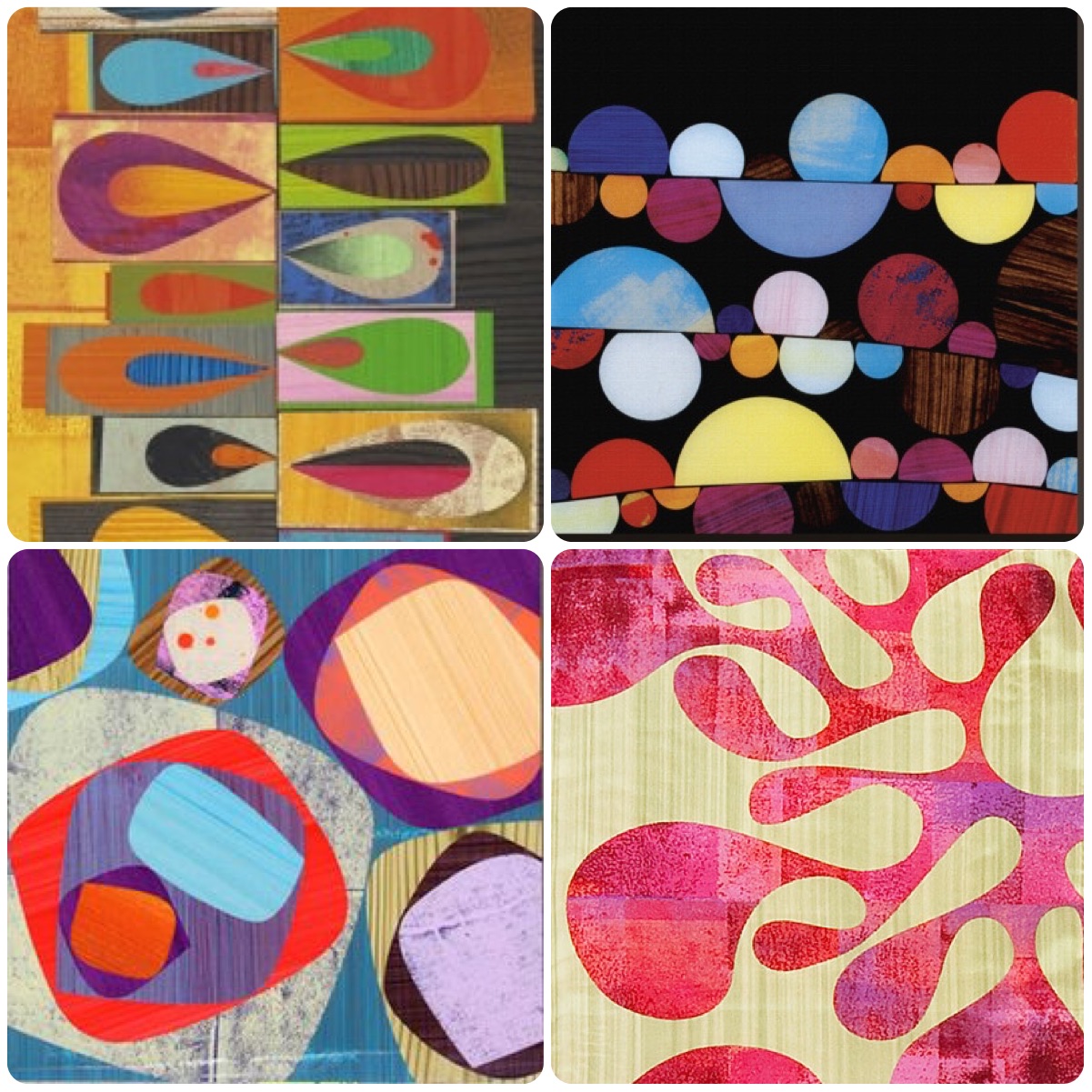
Third and fourth grade artists looked at Rex Ray's work as inspiration for their own collages. We identified four elements that we noticed in many of Rex Ray's pieces. They are:
1. Warm and Cool Colors
2. Texture
3. Organic Shapes
4. Layering, Unity and Composition
We started by painting warm and cool colored papers and collecting textured images from magazines.  Then students used Rex Ray's art to inspire an Organic Shape Doodle.
A photo posted by Nora (@artclass_allday) on


Then students created their own collages based on Rex Ray's work. Here are some examples of Rex Ray's Collages:
 

Here's a picture of collage-making in-progress.  When we do collage, I try to remember to "Embrace the Chaos!"
A photo posted by Nora (@artclass_allday) on


Here are our finished collages! After students photographed their collages, they painted a layer of acrylic gel medium over their work.


Friday, January 8, 2016

"Wind paintings" or painting with straws

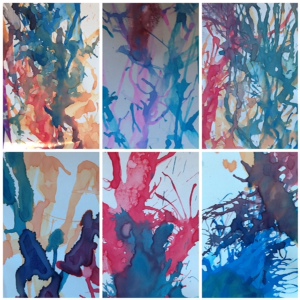
Fist and second grade artists used their breath to move liquid watercolor paints across the paper using a straw. We started with the primary colors and observed color mixing when the paints crossed paths.  What do you see in the paintings? Sometimes they contain hidden pictures! 


Cherry blossom paintings for Chinese New Year